Estate cleanout after a death in the family: what to expect
By Clara Larsen · Updated 2026-08-14
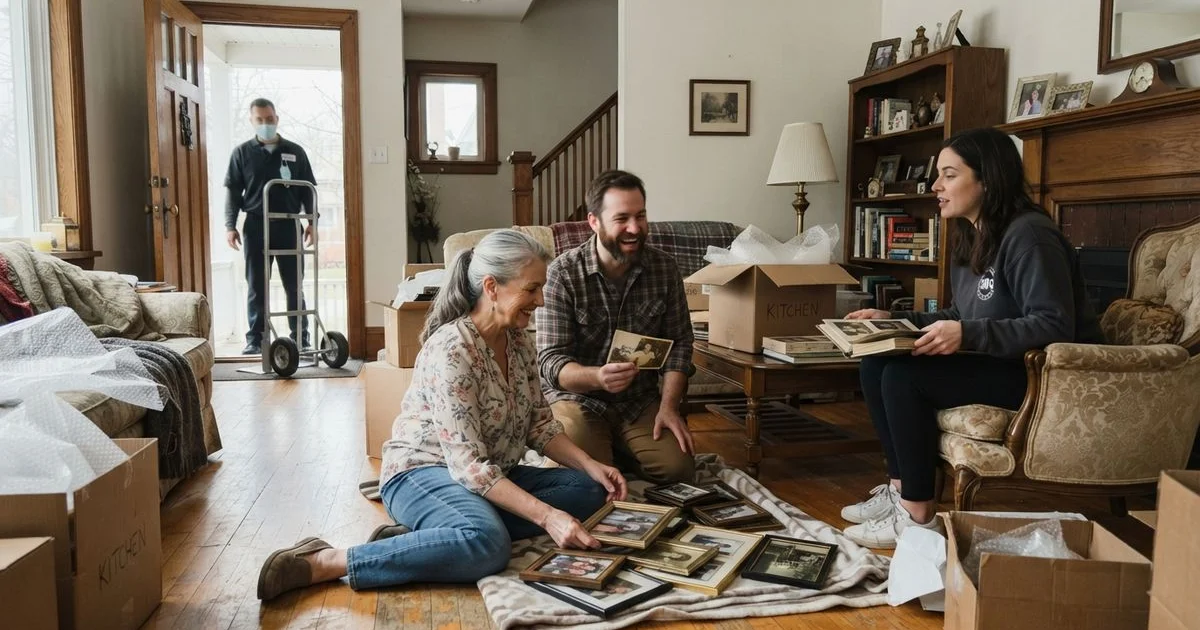
Clearing a family member’s home after a death is one of the more emotionally loaded tasks that ends up needing a practical, logistical answer. This is general guidance on the practical side of that process, not a substitute for legal or estate advice specific to your situation.
Give yourself permission to go slowly, within reason
There’s often real pressure, a lease ending, a sale pending, other family members waiting, but rushing through a home full of someone’s belongings tends to create more regret than relief. If there’s any flexibility in the timeline at all, even a few extra days, it’s worth taking. Sorting through a lifetime of belongings is genuinely hard, and doing it under pressure makes it harder.
What to separate before anything gets removed
A few categories deserve a first pass before general removal happens: important documents (financial records, deeds, insurance papers), items with sentimental or genuine monetary value, and anything specifically named in a will or requested by family members. Once a removal crew has been through a space, sorting after the fact isn’t possible, so this step matters more than any other in the process.

Involving other family members
Estate cleanouts often involve multiple people with different opinions about what should stay, go, or be split among family. Setting a rough plan, even an informal one, for who’s deciding what and by when, helps prevent the process from stalling or creating tension at an already difficult time. It’s also reasonable to bring in help from a neutral party, whether that’s a friend or the removal company itself, if family disagreement is making the sorting process harder than it needs to be.
| Stage | What it usually involves |
|---|---|
| First pass | Documents, valuables, sentimental items, anything named in a will |
| Family sorting | Deciding who keeps what among remaining items |
| Donation sort | Usable furniture, clothing, household goods |
| Final removal | Genuine junk and anything not claimed or donated |
What the removal itself looks like
Once sorting is done, the removal stage is similar to a large house clearance: a crew comes through, confirms what’s going, and hauls it away, often over one or more visits depending on volume. Many companies experienced with estate work are used to this kind of job and can be respectful about pacing if some rooms are ready to clear and others aren’t yet.
When the volume or condition is significant
If the home involves an accumulation well beyond typical, sometimes the case with an elderly relative who lived alone for years, the cleanout may be closer to a full hoarding-level job than a standard estate clear. That’s a different scope of work, and it’s worth being upfront about the actual condition of the home when you call so the company can send the right crew size and equipment.
Working around the paperwork side of things
Estate matters often involve executors, probate, and sometimes a lawyer overseeing the process, which can affect the timeline for a cleanout even when the family is ready to move forward physically. It’s worth confirming whether any legal or estate process needs to conclude before certain items, particularly anything with financial value, can be removed or distributed. This is a question for the estate’s executor or lawyer rather than the removal company, but it’s worth resolving before booking so the cleanout doesn’t need to be paused partway through.
If the home needs to be sold afterward
When an estate cleanout is happening ahead of a sale, the same considerations that apply to any pre-listing cleanout come into play: clearing enough that the space shows well, without necessarily needing every last item gone before the first round of showings. Coordinating the cleanout timeline with whoever is handling the sale, whether that’s a family member or a real estate agent, helps avoid a mismatch between when the home is cleared and when it needs to be market-ready.
Browse companies experienced with this kind of work in the estate and hoarder cleanout category on the Ontario Junk Removal Directory, and see our scoring method for how we evaluate professionalism and care, which matter more than usual for this kind of job.
FAQ
- How long does an estate cleanout usually take?
- It varies widely with the size of the home and how much sorting is involved. A smaller apartment might take a day or two, while a full family home accumulated over decades can take weeks when sorting is done carefully.
- Should family members sort everything before calling a removal company?
- Not entirely necessary, but separating keepsakes, documents, and items with financial value from general belongings first is worth doing, since once a crew removes something, it's gone.
- Can a junk removal company handle donation of usable items during an estate cleanout?
- Many can. It's worth asking specifically, since usable furniture, clothing, and household goods from an estate can often go to donation rather than disposal if that's important to the family.
- Is there a rush to clear the home?
- Sometimes, if the property is being sold or a lease is ending, but it's worth confirming the actual timeline rather than assuming urgency. A realistic deadline reduces the pressure to rush decisions you might regret.