Donating usable furniture and appliances instead of tossing them
By Clara Larsen · Updated 2026-08-10
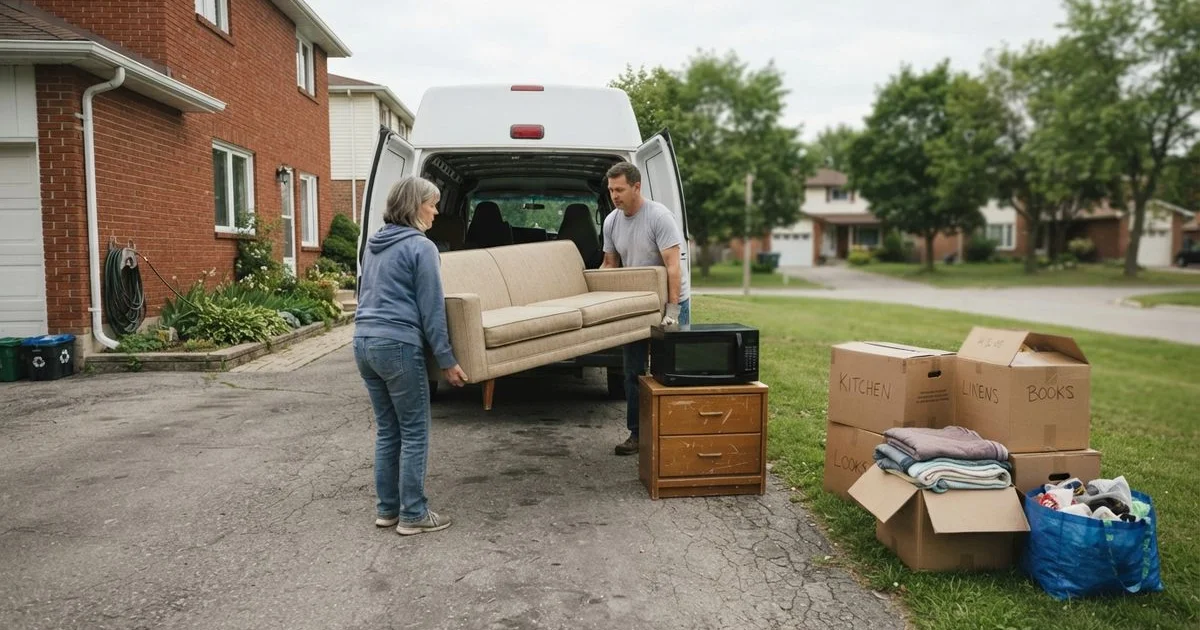
A meaningful share of what people throw out during a cleanout is still perfectly usable to someone else. Sorting for donation before you book a full disposal pickup takes a bit more effort but keeps usable items out of landfill and, in many cases, doesn’t cost anything extra.
What’s realistically donatable
The general rule is simple: would you be comfortable receiving it? Furniture that’s clean, structurally sound, and free of major stains, tears, or odour is usually donatable. Appliances need to be in working condition, most organizations don’t have the capacity to test or repair non-functional units, so a broken dishwasher or a fridge that no longer cools typically isn’t a fit for donation and belongs with standard disposal instead.
What usually isn’t accepted
Heavily worn upholstery, mattresses in poor condition, broken furniture, and non-working electronics or appliances are the most common rejections. Some organizations also decline specific categories like older mattresses or box springs due to hygiene policies, regardless of visible condition. When in doubt, a quick call or photo sent to the donation organization ahead of time saves a wasted trip.
Getting items to where they’re going
There are a few practical paths depending on volume and your own time:
- Drop-off. Works well for a single item or two, if you have a vehicle able to transport it.
- Charity pickup. Many organizations offer free pickup for larger items or multiple pieces, usually scheduled a few days out.
- Combined with junk removal. Some companies sort as they load, separating donatable items from true junk and delivering the donatable portion to a partner organization, which handles both in a single visit.
| Method | Best for | Effort required |
|---|---|---|
| Drop-off | A single item, have transport | Moderate |
| Charity pickup | Larger items, no transport needed | Low, but scheduled ahead |
| Combined with paid removal | Full cleanouts mixing junk and donatable items | Lowest, handled in one visit |
Why bundling with a paid pickup often makes sense
A full cleanout usually turns up a mix: genuine junk, a few donatable pieces, and maybe some recyclable material. Sorting and dropping off donations separately takes real time and often a vehicle you may not have. Companies that sort for donation as part of a standard pickup solve this in one visit, and it’s worth asking directly whether a company offers this rather than assuming everything goes straight to disposal.
A note on tax receipts
If you’re donating a meaningful volume through a registered charity, ask whether they issue a donation tax receipt for the fair market value of the goods. Practices and thresholds vary between organizations, and for anything beyond a casual donation, a tax professional or the Canada Revenue Agency’s current guidance is the right source to confirm how it affects your specific return.
Appliances specifically: a few extra things to check
Appliances carry a couple of extra considerations beyond furniture. Refrigerators and air conditioning units contain refrigerant that needs to be properly recovered before the unit can be recycled or scrapped, which is a legal requirement, not just good practice. A donation organization accepting a working fridge will typically handle this as part of receiving it, but if an appliance isn’t accepted for donation and is headed for disposal instead, ask the removal company whether refrigerant recovery is part of their process. It matters for the environment and it’s often a requirement they’re already meeting, but it’s worth a quick confirmation rather than an assumption.
Making the sort easier on yourself
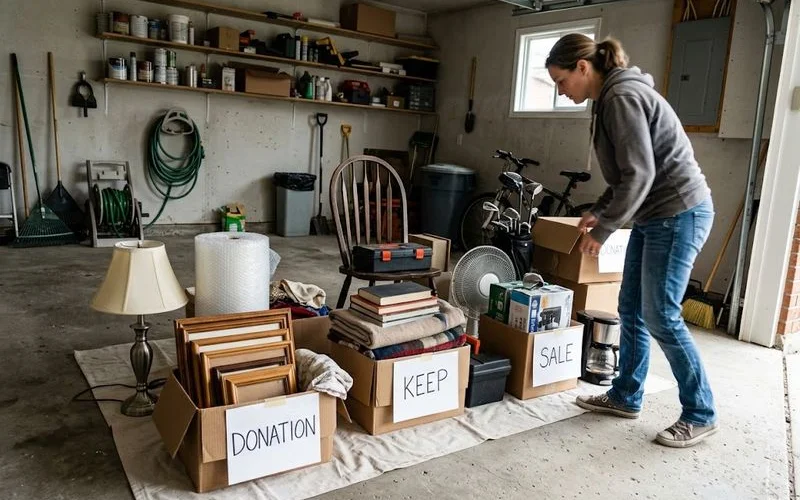
Splitting items into three rough piles before anyone arrives, keep, donate, and dispose, saves real time on pickup day and reduces the chance of a usable piece ending up in the wrong stream by accident. It doesn’t need to be formal. A sticky note on donatable pieces, or simply grouping them in one area of the room, gives a crew or a charity driver a clear signal without you needing to explain each item individually.
See the furniture and appliance removal category on the Ontario Junk Removal Directory for companies that combine pickup with donation sorting, and check our scoring method for how we evaluate them.
FAQ
- What condition does furniture need to be in to donate?
- Clean, structurally sound, and free of major damage or odour. Most organizations won't accept items that are stained, broken, or would need repair before someone else could use them.
- Do appliances need to be working to donate?
- Generally yes. Most donation organizations only accept functional appliances, since testing and repairing non-working units isn't part of what they're set up to do.
- Can a junk removal company handle donation drop-off for me?
- Many can. Some junk removal companies sort donatable items during a pickup and deliver them to a donation partner as part of the service, which saves you a separate trip.
- How do I get a receipt for a donated appliance or piece of furniture?
- A registered charity can typically issue a donation tax receipt reflecting fair market value on request. Ask at drop-off or pickup, since not every organization offers this automatically.